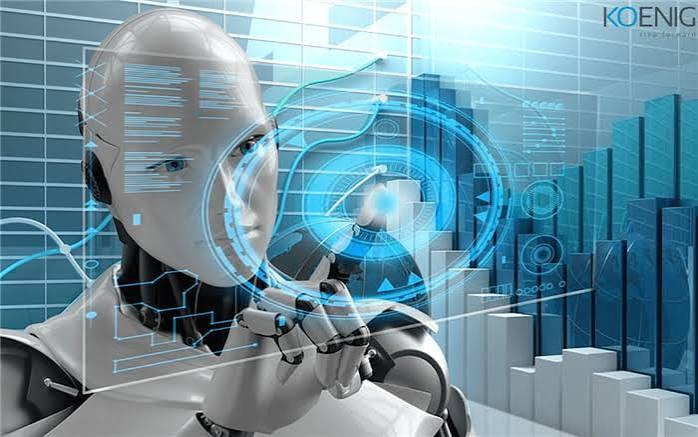
Artificial Intelligence (AI) has become one of the most influential technologies in the modern world. It is changing the way people communicate, work, learn, and solve problems. AI refers to computer systems that can perform tasks requiring human intelligence, such as recognizing speech, understanding language, making decisions, and learning from experience. As AI continues to advance, it is becoming an essential part of everyday life and shaping the future of society.
One of the most noticeable uses of AI is in our daily routines. Many people interact with AI without even realizing it. Voice assistants like Siri, Google Assistant, and Alexa use AI to answer questions, play music, set reminders, and control smart home devices. Search engines use AI algorithms to provide accurate search results, while social media platforms recommend content based on users’ interests. Online shopping websites also use AI to suggest products that customers are likely to purchase, making the shopping experience more personalized and convenient.
AI has also transformed the business world. Companies use AI to automate repetitive tasks, improve customer service, and analyze large amounts of data. Chatbots can answer customer questions at any time, reducing waiting times and improving customer satisfaction. Businesses also rely on AI to predict market trends, manage inventory, and create personalized marketing campaigns. These improvements help organizations increase efficiency, reduce costs, and make better business decisions.
The healthcare industry has experienced remarkable improvements because of AI technology. AI-powered systems can analyze medical images, detect diseases at an early stage, and assist doctors in making accurate diagnoses. Researchers also use AI to study genetic information, develop new medicines, and predict the spread of diseases. Hospitals benefit from AI by improving patient care, reducing administrative workloads, and enhancing treatment planning. These innovations have the potential to save lives and improve healthcare services worldwide.
Education is another field where AI is making a significant impact. AI-powered learning platforms adapt lessons according to each student’s learning pace and abilities. This personalized approach helps students understand difficult subjects more effectively. Teachers can also use AI tools to automate grading, monitor student progress, and identify areas where additional support is needed. As a result, AI is making education more accessible and improving learning outcomes for students of all ages.
Despite its many advantages, AI also presents important challenges. One concern is that automation may replace certain jobs, requiring workers to develop new skills for the future job market. Privacy is another issue because AI systems often collect and process large amounts of personal data. Additionally, if AI systems are trained using biased information, they may produce unfair or inaccurate decisions. For these reasons, governments, businesses, and researchers must establish ethical guidelines and regulations to ensure AI is developed responsibly.
Looking ahead, AI is expected to continue transforming industries and improving people’s lives. Future innovations may include smarter cities, advanced medical treatments, safer transportation systems, and more efficient environmental management. However, human oversight and ethical decision-making will remain essential to ensure AI benefits society as a whole.
In conclusion, artificial intelligence is revolutionizing the modern world by improving efficiency, enhancing decision-making, and creating new opportunities across various sectors. Although AI presents certain challenges, its potential to solve complex problems and improve quality of life is enormous. By using AI responsibly and ethically, humanity can build a future where technology works alongside people to create a more innovative, productive, and sustainable world.