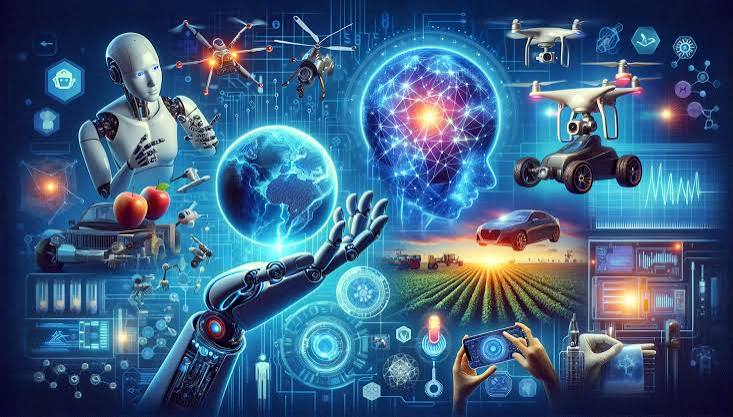
Artificial Intelligence (AI) is one of the most significant technological advancements of the 21st century. It refers to the ability of machines and computer systems to perform tasks that normally require human intelligence, such as learning, problem-solving, decision-making, and understanding language. AI has rapidly evolved over the past decade and is now transforming industries, improving productivity, and changing the way people live and work.
One of the main reasons AI has become so important is its ability to analyze large amounts of data quickly and accurately. Traditional computer programs follow fixed instructions, but AI systems can learn from data, identify patterns, and improve their performance over time. This capability allows businesses and organizations to make better decisions based on accurate insights. Machine learning, a branch of AI, enables computers to learn from experience without being explicitly programmed, while deep learning uses artificial neural networks to solve complex problems such as image recognition and speech processing.
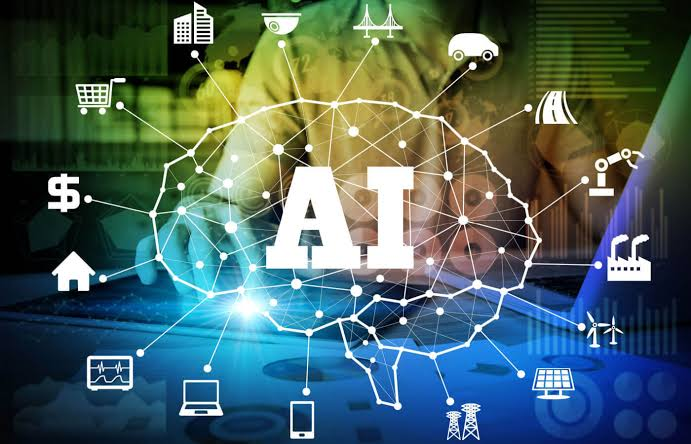
AI has found applications in many industries. In healthcare, AI helps doctors diagnose diseases more accurately by analyzing medical images and patient records. It also assists researchers in developing new medicines and predicting disease outbreaks. In education, AI-powered learning platforms provide personalized lessons based on students’ abilities and learning styles. Virtual tutors and intelligent assessment tools help improve the learning experience. In transportation, self-driving cars and intelligent traffic management systems are making roads safer and reducing congestion. AI is also widely used in finance for fraud detection, risk assessment, and automated customer service through chatbots.
Businesses have greatly benefited from AI technology. Companies use AI to automate repetitive tasks, improve customer support, and enhance marketing strategies. Recommendation systems used by online shopping platforms and streaming services analyze user preferences to suggest products, movies, or music. This not only improves customer satisfaction but also increases business efficiency and profitability. In manufacturing, AI-powered robots perform precise and repetitive tasks, improving production quality while reducing costs.
Despite its many advantages, AI also presents several challenges. One major concern is job displacement, as automation may replace certain types of work previously performed by humans. Privacy and data security are also important issues because AI systems rely on large amounts of personal information. Additionally, biased data can lead to unfair or inaccurate AI decisions, highlighting the need for ethical AI development. Governments, researchers, and technology companies must work together to establish regulations and ensure AI is used responsibly and fairly.
Looking ahead, AI is expected to become even more advanced and integrated into everyday life. Future developments may include smarter healthcare systems, more efficient renewable energy management, improved scientific research, and enhanced communication tools. However, the success of AI will depend on balancing innovation with ethical considerations, transparency, and human oversight.
In conclusion, artificial intelligence is revolutionizing the modern world by improving efficiency, solving complex problems, and creating new opportunities across various sectors. While challenges such as privacy, bias, and employment must be addressed, the benefits of AI are undeniable. By developing and using AI responsibly, society can harness its full potential to create a smarter, safer, and more sustainable future for everyone.