Installing a new roof is an important step in protecting a newly constructed home or upgrading an existing property. A properly designed roofing system helps manage rainwater, withstand environmental exposure, and contribute to indoor comfort. Successful installation depends on choosing suitable materials, preparing the roof structure correctly, and following appropriate construction standards.
Homeowners planning new roof installation Carmichael CA projects should consult a qualified roofing professional early in the process. The contractor can evaluate the building design, roof slope, ventilation requirements, material options, and local permitting considerations before work begins.

Planning the Roofing Project
Planning should begin with a clear understanding of the property’s requirements. Roof dimensions, slope, structural design, drainage patterns, and architectural style influence which roofing materials are appropriate.
Homeowners should also establish a realistic budget and discuss their priorities with the contractor. Some people focus on initial affordability, while others prioritize appearance, maintenance requirements, or long-term durability.
A detailed proposal can help clarify the materials, labor, installation sequence, project schedule, and responsibilities of everyone involved. Good planning reduces uncertainty and helps keep construction organized.
Choosing Suitable Roofing Materials
Asphalt shingles are widely used in residential construction because they offer various colors, textures, and price options. Metal roofing provides another option for homeowners seeking a different appearance and durability characteristics. Tile roofing can suit particular architectural designs, subject to structural and installation requirements.
Material selection should follow the manufacturer’s specifications and applicable building requirements. Homeowners should ask about underlayment, flashing, fastening systems, and ventilation rather than focusing only on the visible roofing surface.
The complete roofing system matters because every component contributes to weather protection and performance.
Preparing the Roof Structure
Before roofing materials are installed, the underlying structure should be prepared appropriately. The contractor may need to verify the condition of roof decking and ensure that the surface is suitable for the selected material.
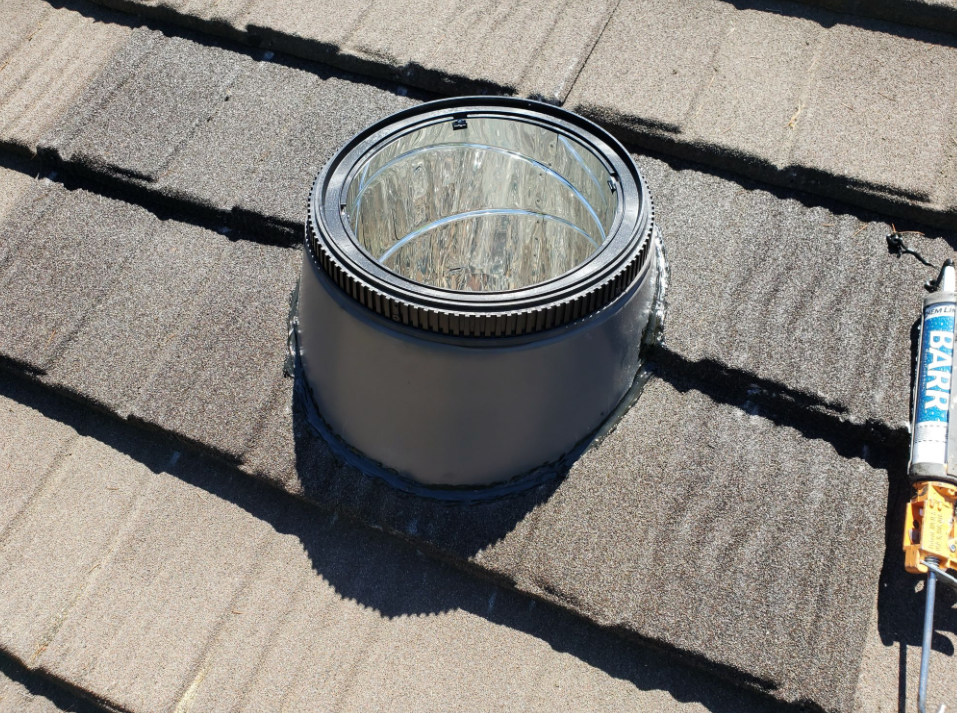
Underlayment and flashing must be installed correctly in vulnerable areas, including valleys, edges, and roof penetrations. Proper ventilation should also be considered to help manage heat and moisture in the attic.
These preparation steps are important because installation errors can contribute to leaks and premature material deterioration. A qualified contractor should follow relevant building codes and manufacturer instructions.
Understanding Installation Costs
The total cost depends on roof size, complexity, selected materials, labor, access, and any structural preparation. Roofs with multiple slopes, valleys, or penetrations may require additional labor compared with simpler designs.
Request a written estimate that identifies the materials, labor, cleanup, disposal, and any additional services. Homeowners should compare the complete scope of work rather than selecting a contractor based exclusively on price.
Verify licensing and insurance, and clarify warranty terms before signing an agreement. If permits are required, establish who will obtain them and coordinate the relevant inspections.
Protecting the Finished Roof
After installation, homeowners should retain documentation about the materials, warranties, and completed work. Gutters should be maintained, and visible roof components should be checked periodically for signs of damage.
Professional inspections can help identify concerns that are difficult to see from the ground. Homeowners should avoid climbing onto the roof without appropriate training and safety equipment.
Conclusion
A successful new roof installation requires careful planning, appropriate materials, and professional workmanship. Carmichael homeowners can protect their investment by discussing design requirements, obtaining detailed estimates, and ensuring that the work follows applicable standards. Consistent maintenance after installation helps preserve the roof’s appearance and protective function.